Ranking coupling without inventing false precision
How architecture teams can prioritize dependency risks when evidence is uneven and source access is limited.
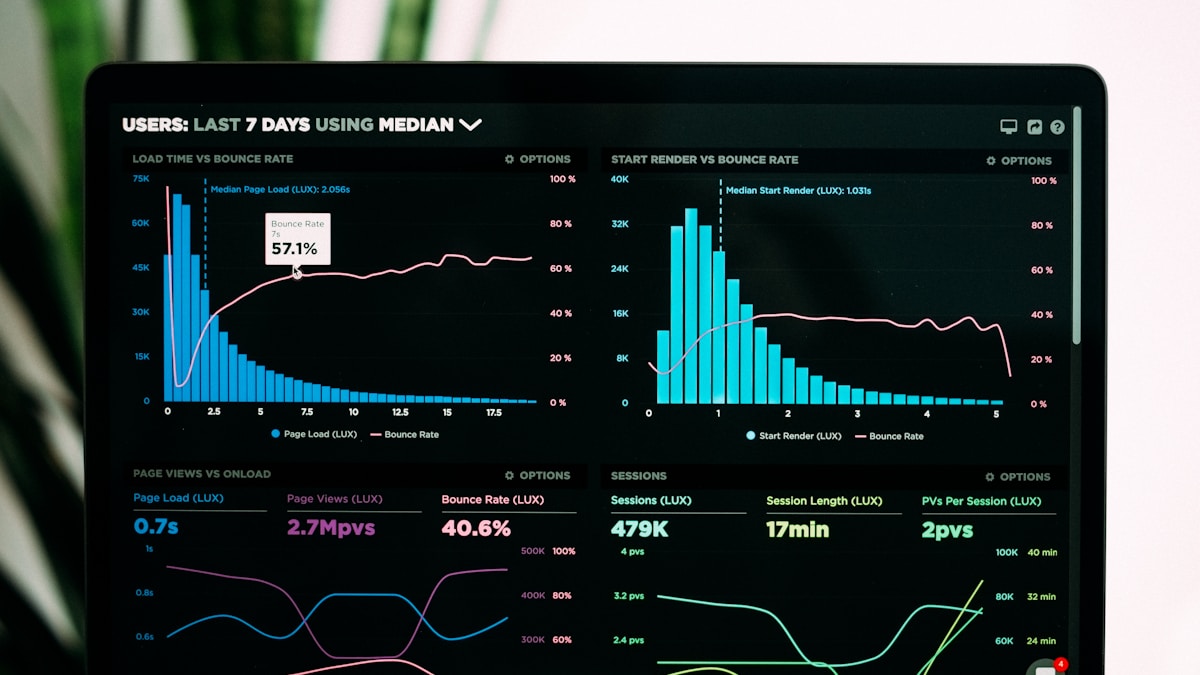
Teams often ask for a numeric “coupling score” across an entire estate. The impulse is understandable: program sponsors want a single list. The hazard is inventing decimals that imply measurement where you only have interviews and partial catalogs.
In dependency analytics for enterprise application architecture, we prefer ordered bands — critical, material, watch — backed by the evidence type that put each item there. A shared customer master used by twelve applications with confirmed write contention belongs in critical. A suspected library reuse with no runtime proof belongs in watch until confirmed.
Evidence types that hold up in steering meetings
- Confirmed runtime calls observed in logs or traces within the last quarter
- Contract documents with named owners and version history
- Batch schedules with downstream failure tickets attached
- Owner testimony with a dated incident, not a vague “everyone uses it”
When only testimony exists, say so. Decision makers in Korean financial and manufacturing programs have seen enough green-yellow-red heat maps to distrust decorative certainty. Clear caveats build more trust than a fabricated index.
Using ranks to sequence work
Critical items get remediation options with cost bands. Material items get monitoring or documentation chores. Watch items get a re-check date. That three-lane approach is enough to steer most modernization programs without pretending the estate is fully instrumented.